


About this park
Western Bight Marine Park protects around 200 kilometres of Western Australia's magnificent south coast, from Point Malcolm near Israelite Bay to Point Dover, south of Caiguna. This remote and rugged coastline is rich in natural beauty, wildlife and cultural heritage. Ngadju Traditional Custodians have cared for this Country for at least 50,000 years, and their deep connection to the land and sea continues today. The park's diverse coastal and marine habitats make it an area of exceptional cultural and ecological significance.
Shaped by millions of years of geological change, this coastline is home to a variety of plants, animals and coastal habitats. In the west of the park, sheltered coves, rocky headlands, islands, and reef-fringed bays provide diverse marine and coastal environments.
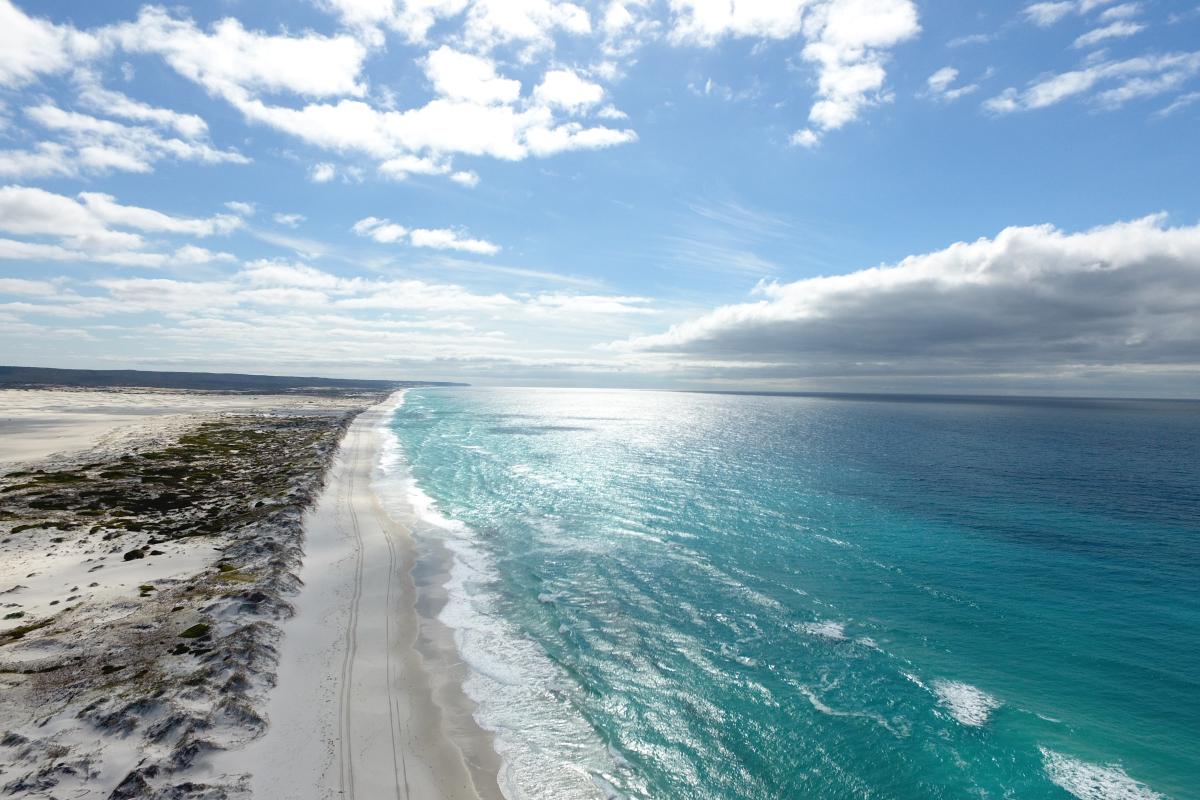
Towards the east, the landscape transforms into long stretches of coarse sandy beach battered by powerful Southern Ocean swells and lined with nutrient-rich sea wrack.
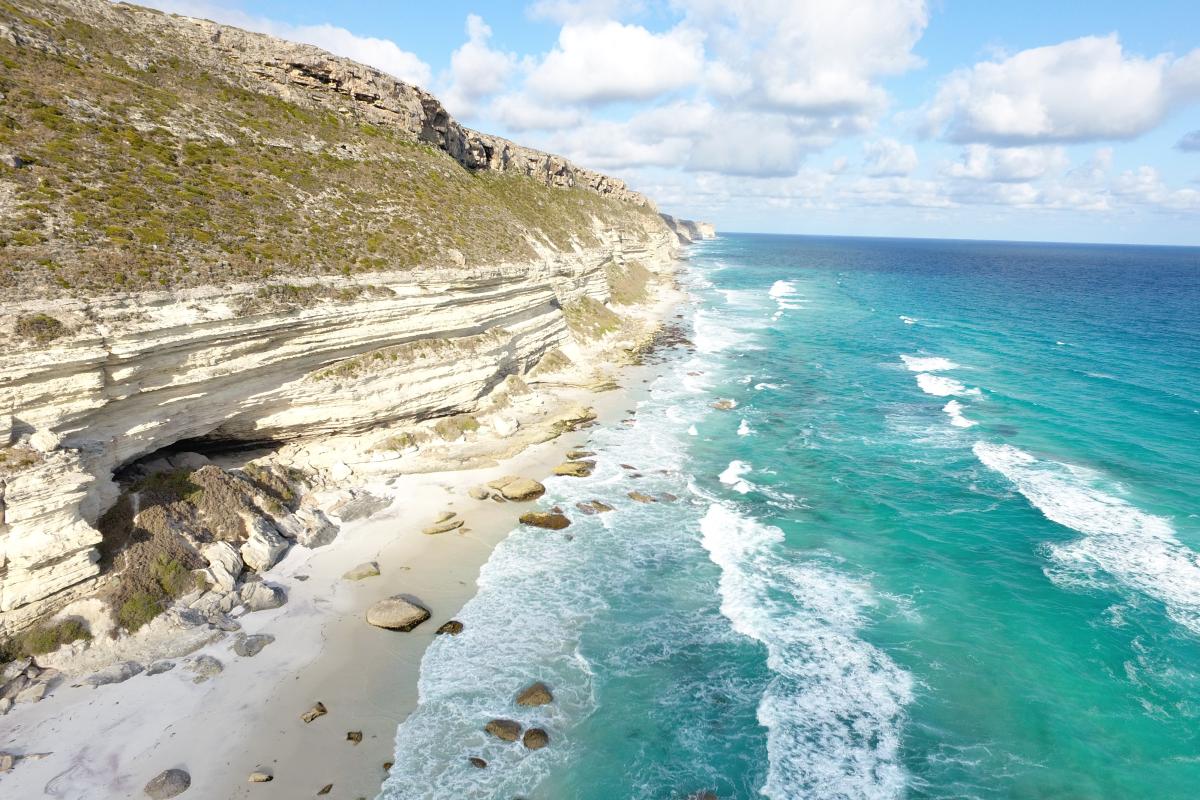
Dominating the eastern coastline are the spectacular Baxter Cliffs, which tower up to 80 metres above the ocean and extend for around 200 kilometres from Point Culver towards Twilight Cove, south of Cocklebiddy, within the neighbouring Mirning Marine Park.
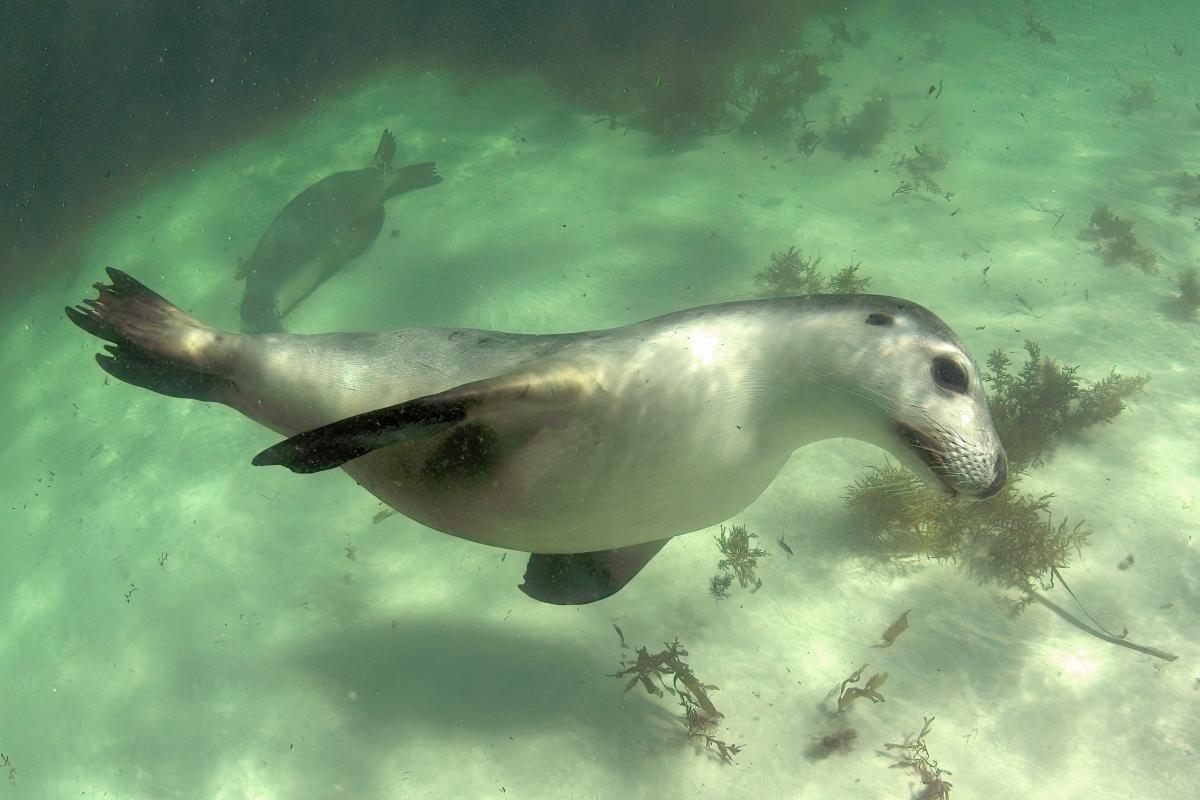
The marine park is home to an incredible array of wildlife including fish, rays, sharks, macroinvertebrates, western rock lobsters, whales and Australian sea lions. Seabirds of the Southern Ocean such as ospreys, sea eagles, little penguins and great-winged petrels can also be found here.
If you're looking for that quiet, remote wilderness adventure and love boat or shore fishing, this is the place to be. It is recommended that visitors have experience travelling in off-grid, remote locations and four-wheel driving. There are no formal boat ramps along the coast. Coastal access, west of Baxter Cliffs, is on rugged four-wheel drive tracks.
There are six sanctuary (no take) zones but recreational fishing from the beach or boat is permitted in many areas. Before you go, download the zoning map, read How do marine parks work and Zoning in Western Australian marine parks, and check DPIRD rules recreational fishing for rules on licences, size, bag and possession limits.
The marine park stretches from the coast and includes the waters around the Eastern Group Islands, which are surrounded by the Commonwealth managed Eastern Recherche Marine Park.
Discover neighbouring Mamang Maambakoort, Wudjari and Mirning marine parks and, the adjacent Australian Marine Parks.
Safety information
Plan when to visit. Read this safety information about swimming, surfing, fishing, paddling, kayaking, snorkelling and diving. Consider travelling with a personal location beacon (PLB). In the event you need to be rescued it could save your life!
- Coastal and cliff risks are significant along this remote coast.
- Travelling in remote locations - be well prepared and self-sufficient. Carry camping gear, fuel, water, non-perishable food, first aid and tool kits, spare tyres and parts, recovery gear and two-way communication.
- Be aware that beaches are notoriously treacherous for vehicles in wet conditions and it is easy to become bogged when the seaweed has built up and the sand is wet and soft. Beware of being trapped by rising tides. Tide predictions can be found at Bureau of Meteorology.
- Mobile reception is not available in most remote areas. Roadhouses along the Eyre Highway have phone coverage. Consider taking a PLB or satellite phone.
- Travel plans should be left with trusted contacts such as family or friends.
- Know before you go and read safety information on coastal conditions and natural hazards.
- Shark safety and information can be found at SharkSmart.
- Look out for BEN signs along the coast. Use these signs to guide emergency services to a specific location with the Beach Emergency Number on the signs.
- Download the free Emergency + app before your visit which can be used in the event of any emergency to call for assistance. If there is no mobile phone coverage you WILL NOT be able to call 000 but the app will provide you with GPS location details.
Gallery
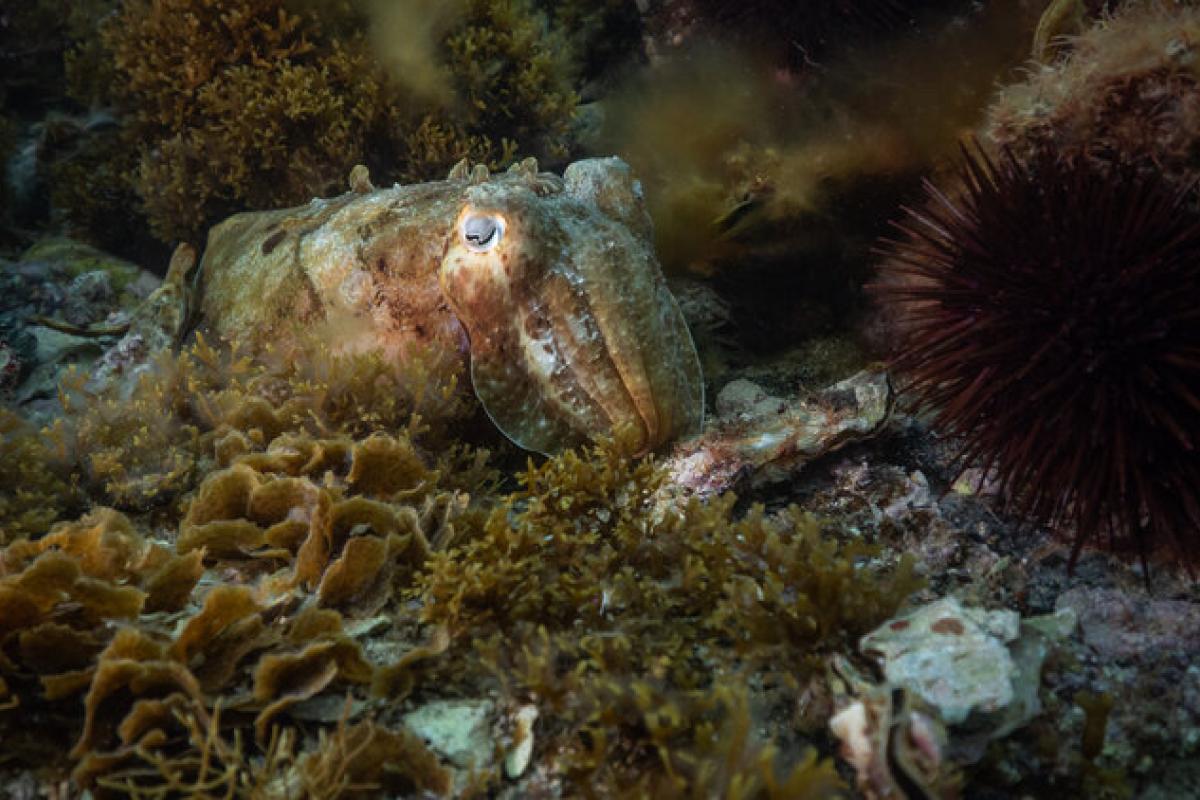
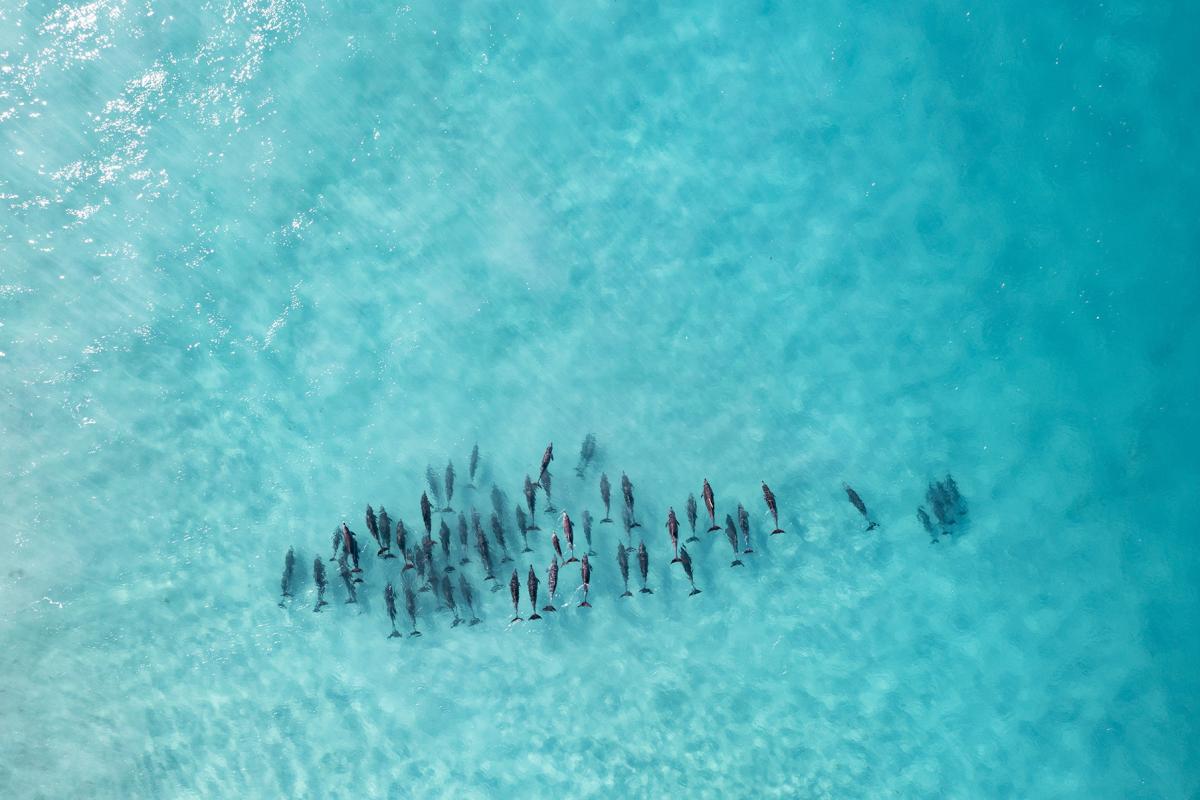
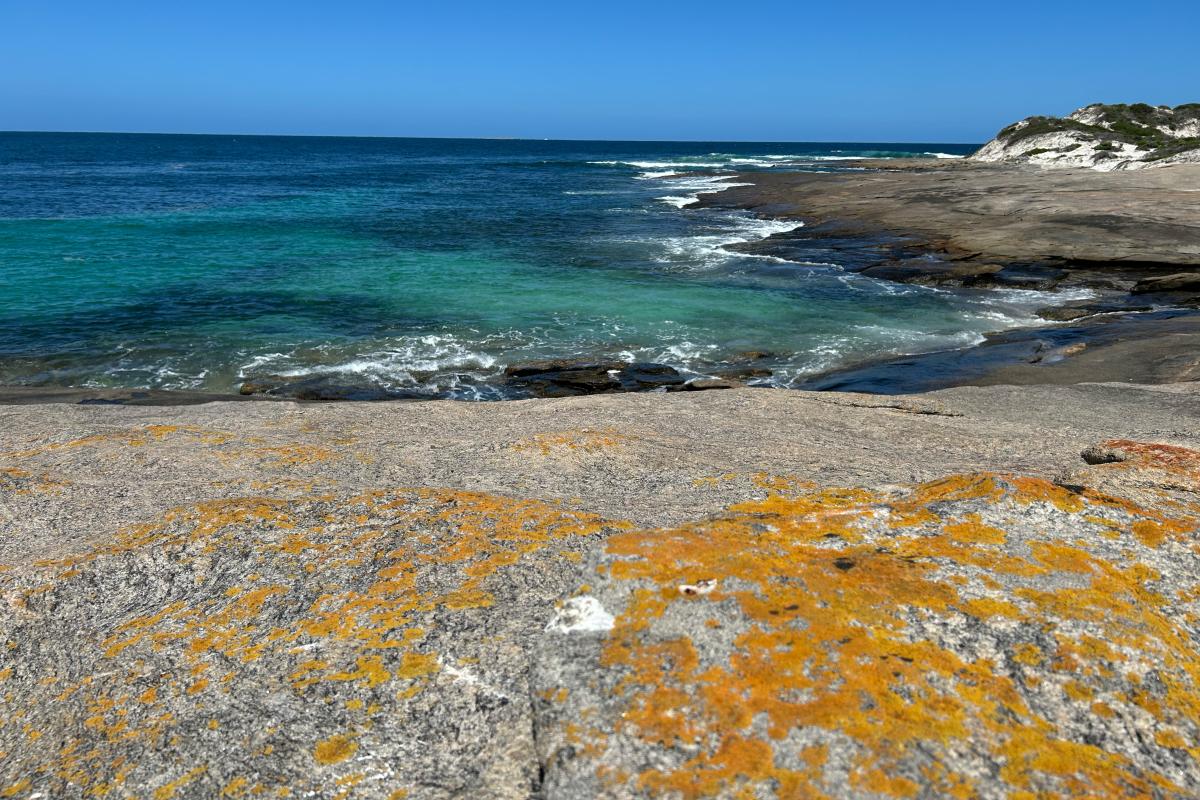
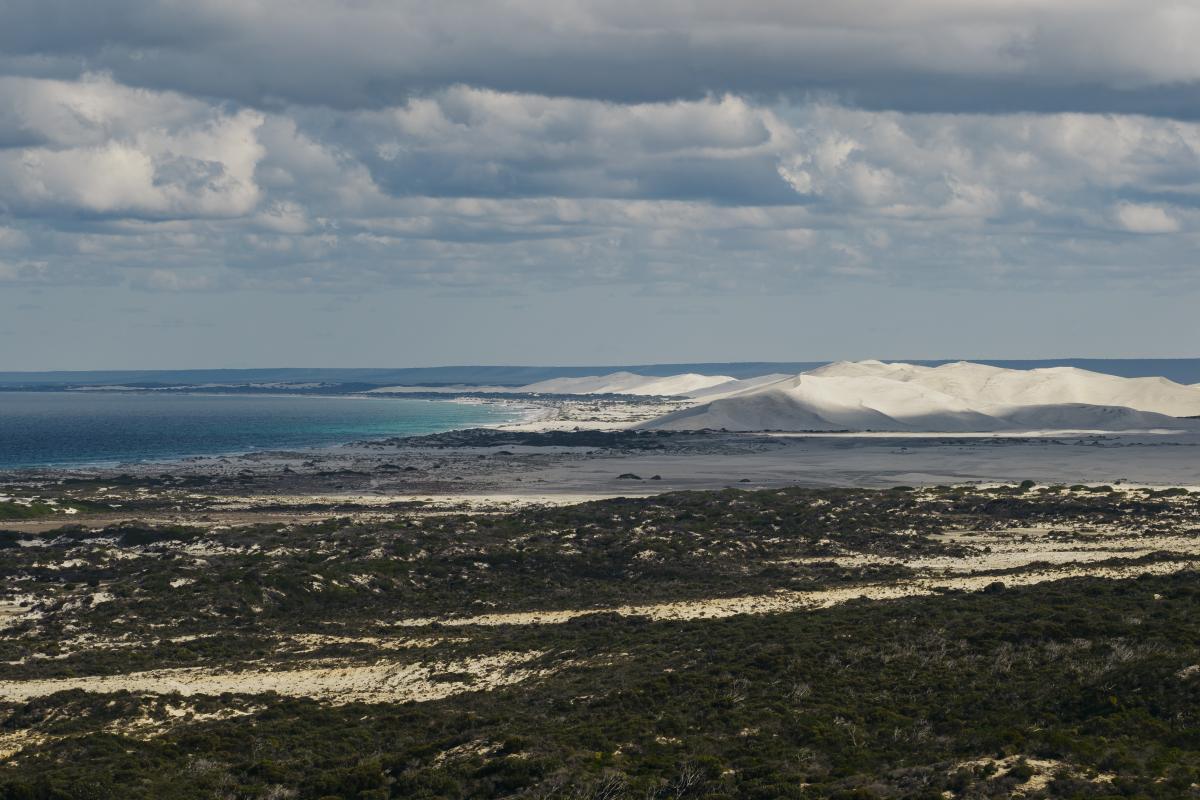
Commonwealth waters
The Commonwealth-managed Eastern Recherche Marine Park lies seaward of part of the Western Bight Marine Park boundary. It features rocky reefs with macroalgae, seagrass, sand and rhodolith (calcareous red algae) habitats in clear, deep water. These habitats support a spectacular range of sponges, sea squirts, fish, invertebrates and nutrients for a diverse range of marine plants and animals.
Protect WA's parks from dieback
Phytophthora dieback is a devastating plant disease that is killing our native plants and destroying wildlife habitats in the south-west. The water mould that causes this disease is easily spread in mud or soil that adheres to vehicles, footwear and camping equipment.
To help prevent the spread of this disease:
- Always maintain a clean vehicle, especially the tyres, wheels and undercarriage,before entering and after leaving parks.
- Clean footwear at the start and finish of any walks you do and stay on the trails.
- Avoid driving or walking in wet, muddy conditions and observe road closures.
Facilities
No toilets at this location. Follow Leave No Trace principles.
Activities
Bird watching

Boating

Canoeing and kayaking

Fishing

Kite boarding

Nature photography

Scuba diving

Snorkelling

Surfing

Swimming

Wind surfing

Plants, wildlife and fungi
Large seagrass meadows, macroalgae assemblages and temperate reefs are found in the marine park which is part of Australia’s Great Southern Reef.
The marine and coastal region is known for whales, dolphins, fur seals, sea lions, sharks,salmon, rock lobsters, shorebirds and Southern Ocean seabirds including osprey and sea eagles.
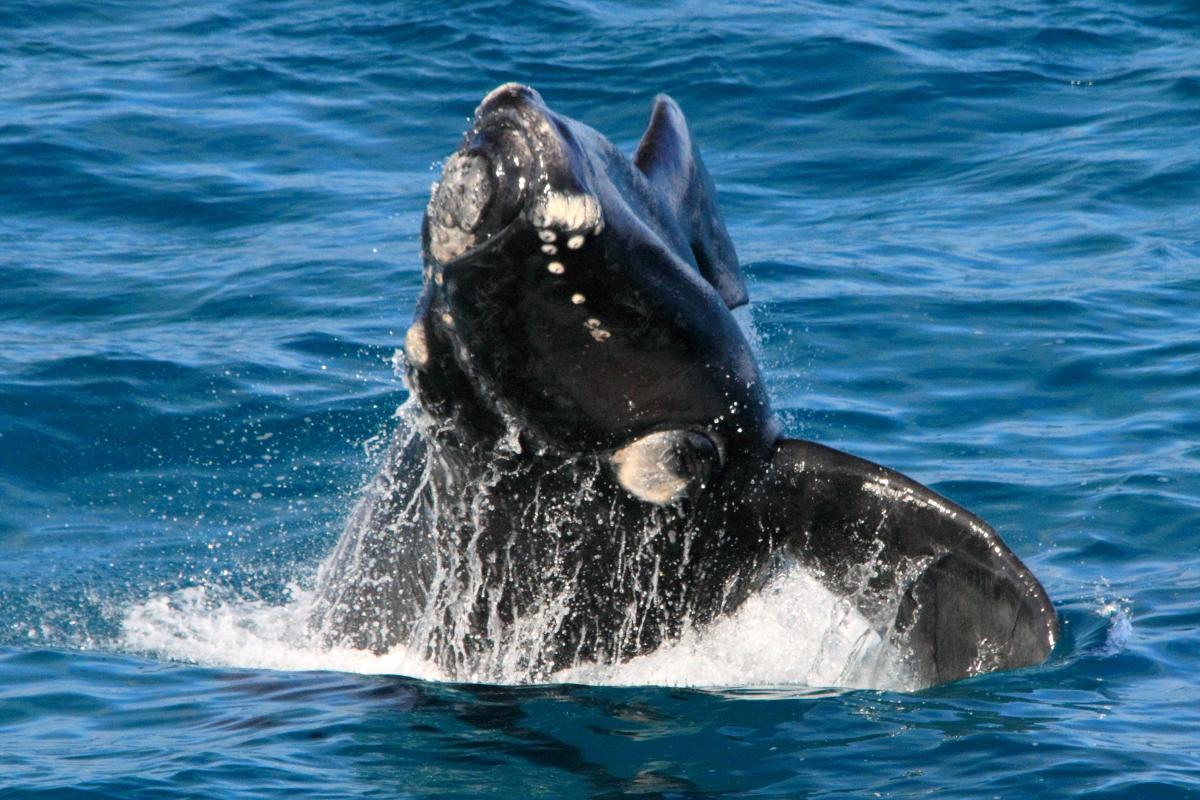
Southern right whales use sheltered bays for breeding and calving from June to November each year, and humpback whales migrate along the south coast between May and November, between Antarctic summer feeding grounds and northern Western Australian breeding and calving grounds. Threatened Australian sea lions and long-nosed fur seals also breed and forage in the area.
Discover fun facts about Western Australia's marine plants and animals and what makes them so special.
Visit the Atlas of Living Australia for a list of species recorded in Western Bight Marine Park.
Traditional Owners
Ngadju people, also known as Marlpa, are the Traditional Custodians of a vast and diverse region of southern Western Australia, and have been living on and looking after this country for at least 50,000 years. Learn more about the Ngadju Story, at the Ngadju Native Title Aboriginal Corporation, RNTBC website.
Join local communities in mindful appreciation of culture and respectful wildlife watching by following advice of the Ngadju Native Title Aboriginal Corporation, RNTBC.


