


About this park
The park stretches from Point Hood near Bremer Bay to Mason Bay east of Hopetoun, within Goreng Land and Sea Country in the Wagyl Kaip Southern Noongar region. The park name comes from the Noongar dialect ‘Mamang’ (pronounced MAR mung) means whale, recognising their importance along the South Coast, and ‘Maambakoort’ (pronounced marmbah KORT) means sea or ocean. The marine park is jointly managed by the Wagyl Kaip Southern Noongar people and Department of Biodiversity, Conservation and Attractions.
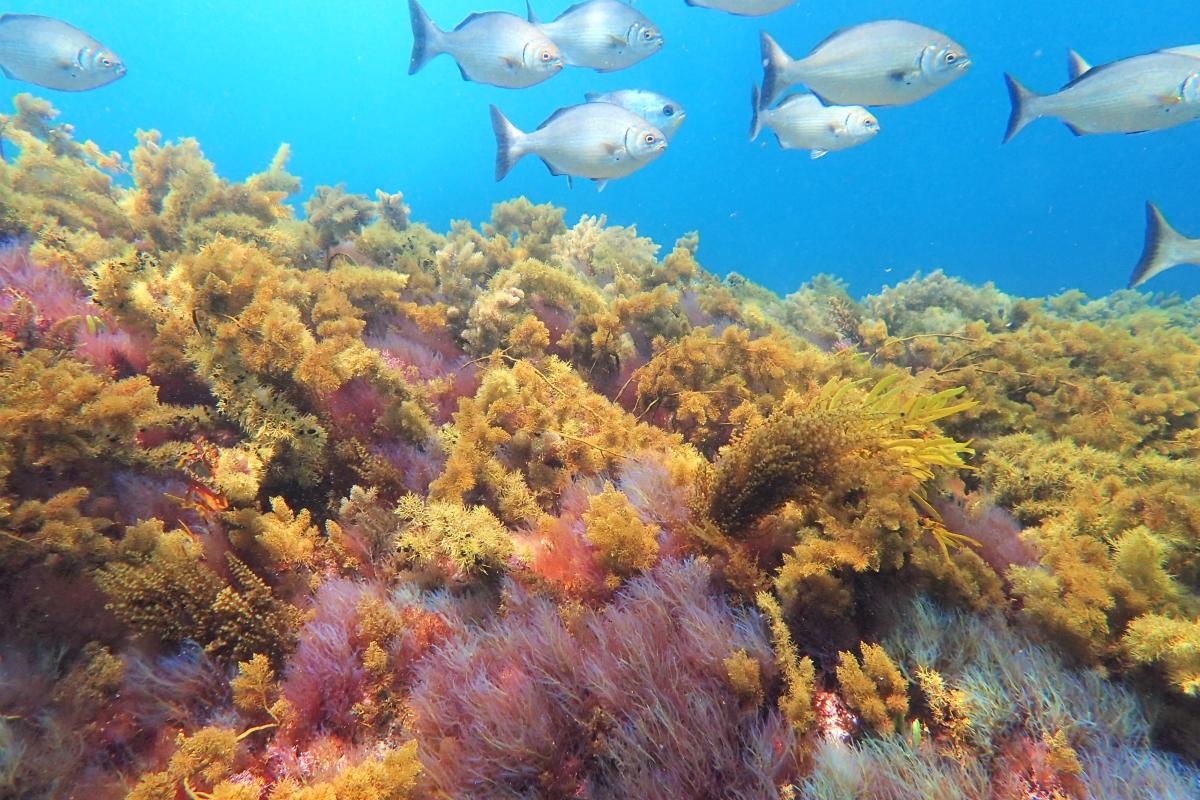
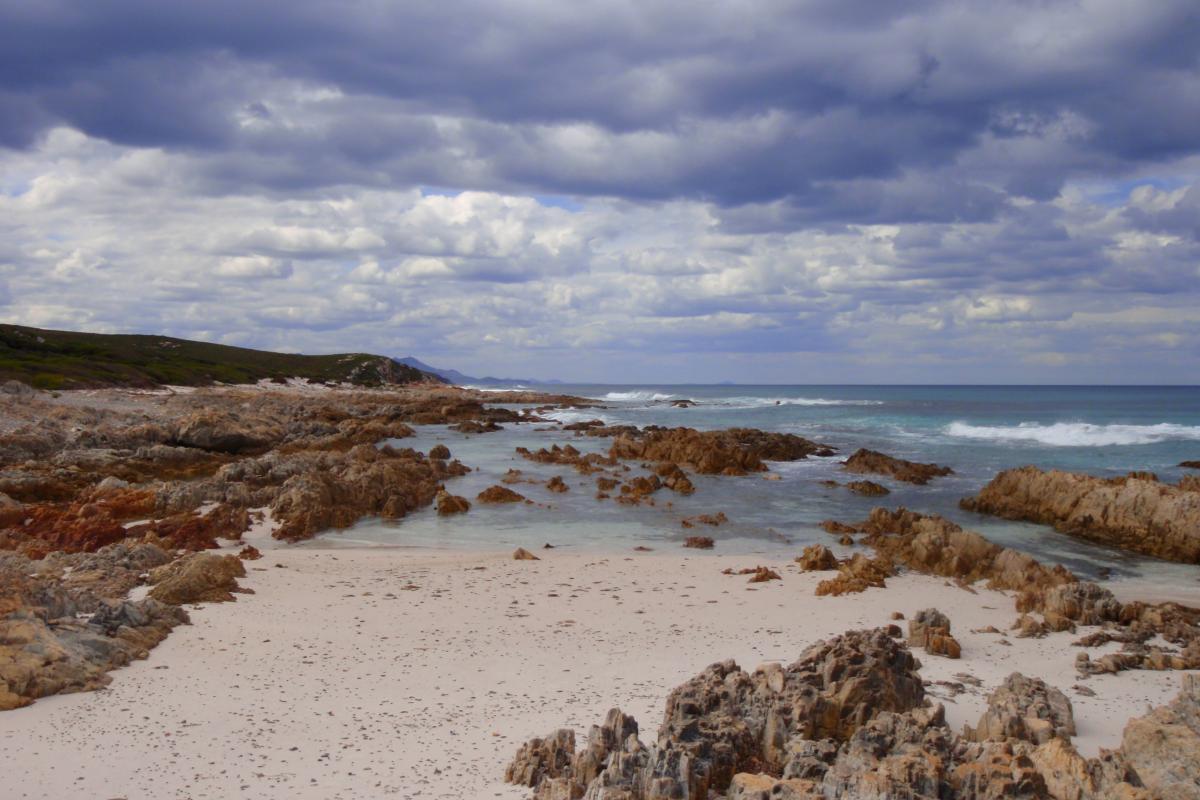
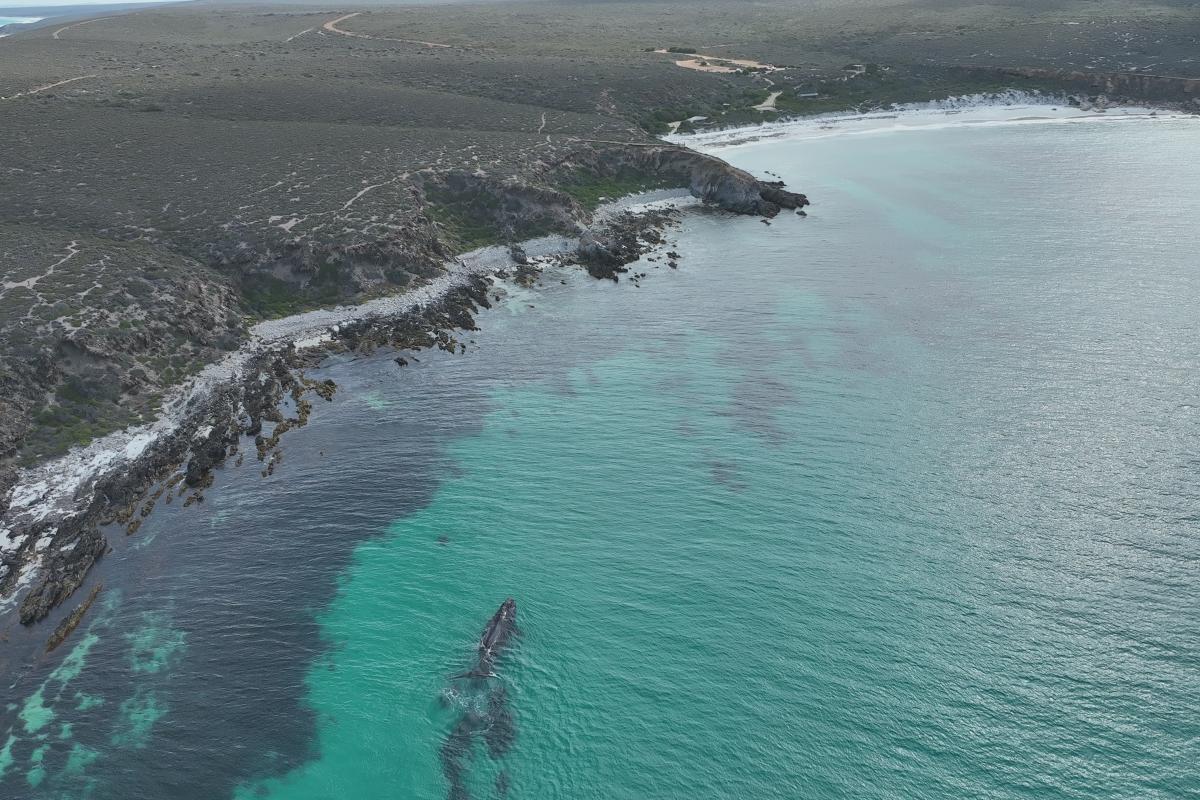
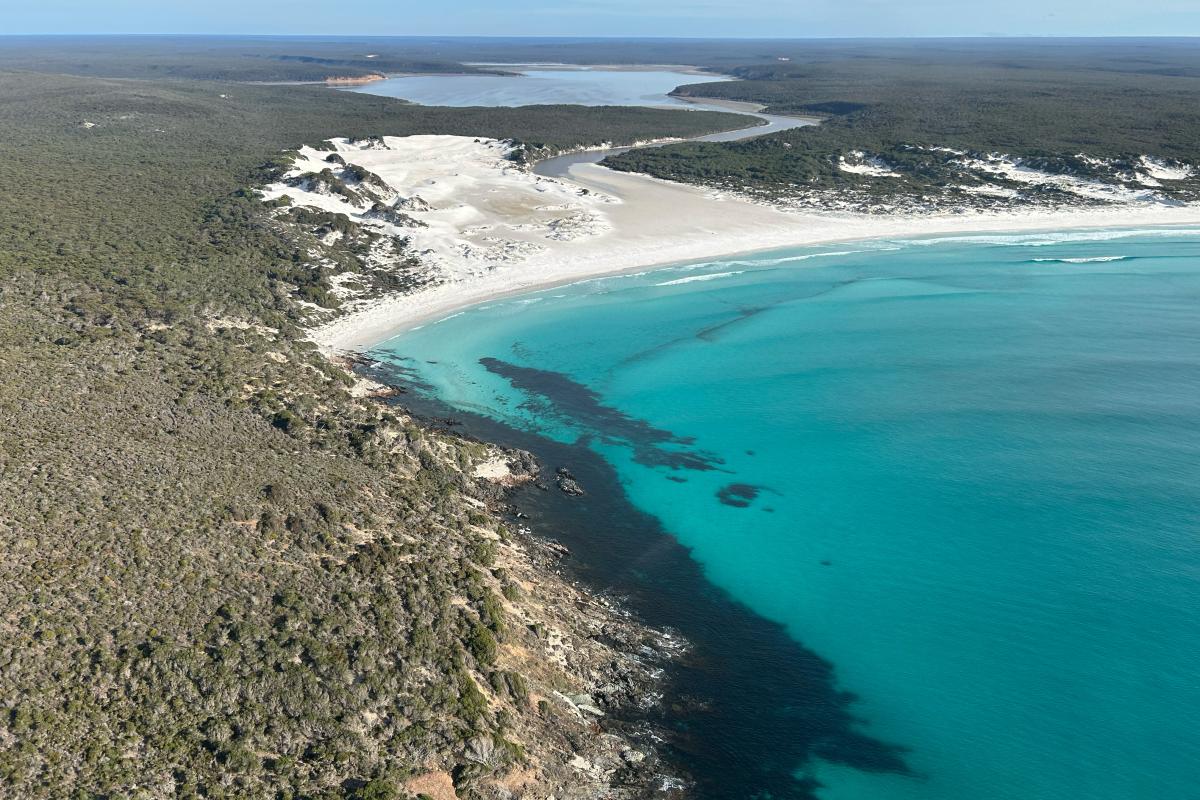
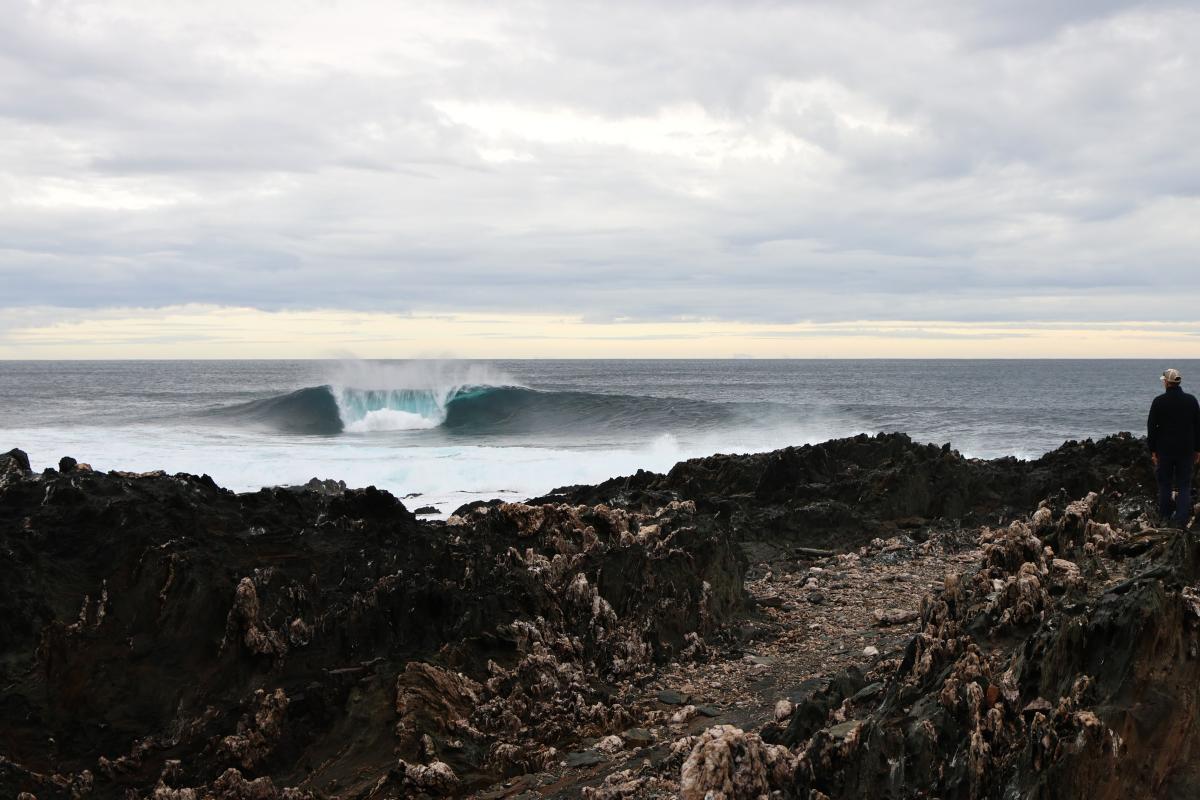
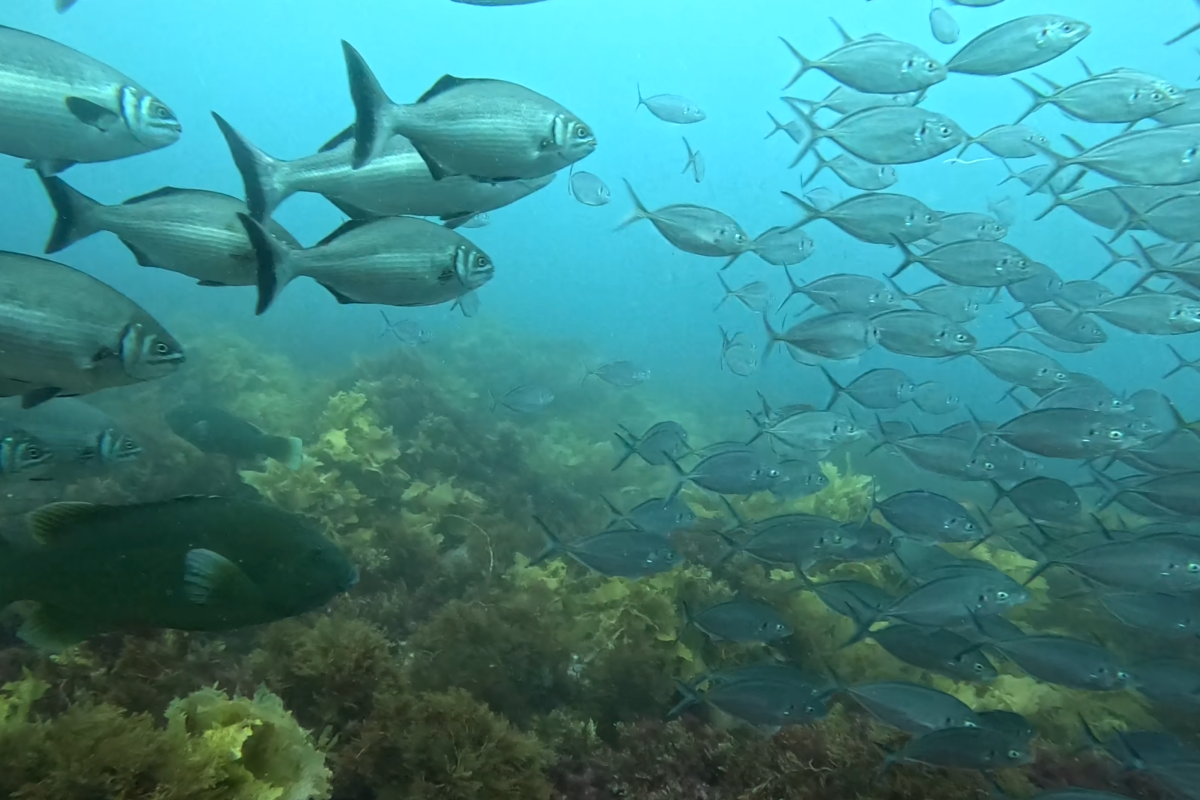
The marine park coastline is adjacent to Fitzgerald River National Park in the UNESCO Fitzgerald Biosphere. The region features ancient geology - long white sand beaches, dunes, and rugged headlands. Wave‑carved cliffs, granite, gneiss and dolerite boulders, islands, limestone platforms and sheltered beaches support diverse habitats, including seagrass meadows, kelp forests, temperate corals and sponge gardens.
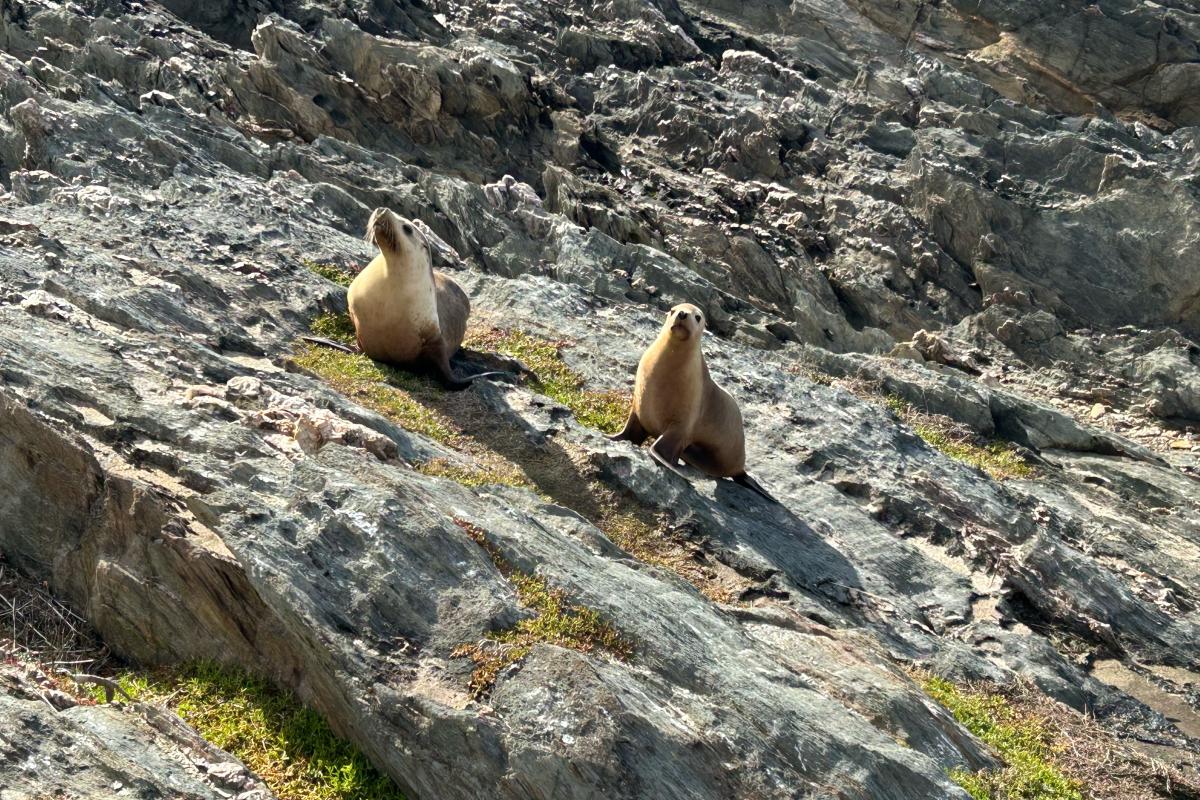
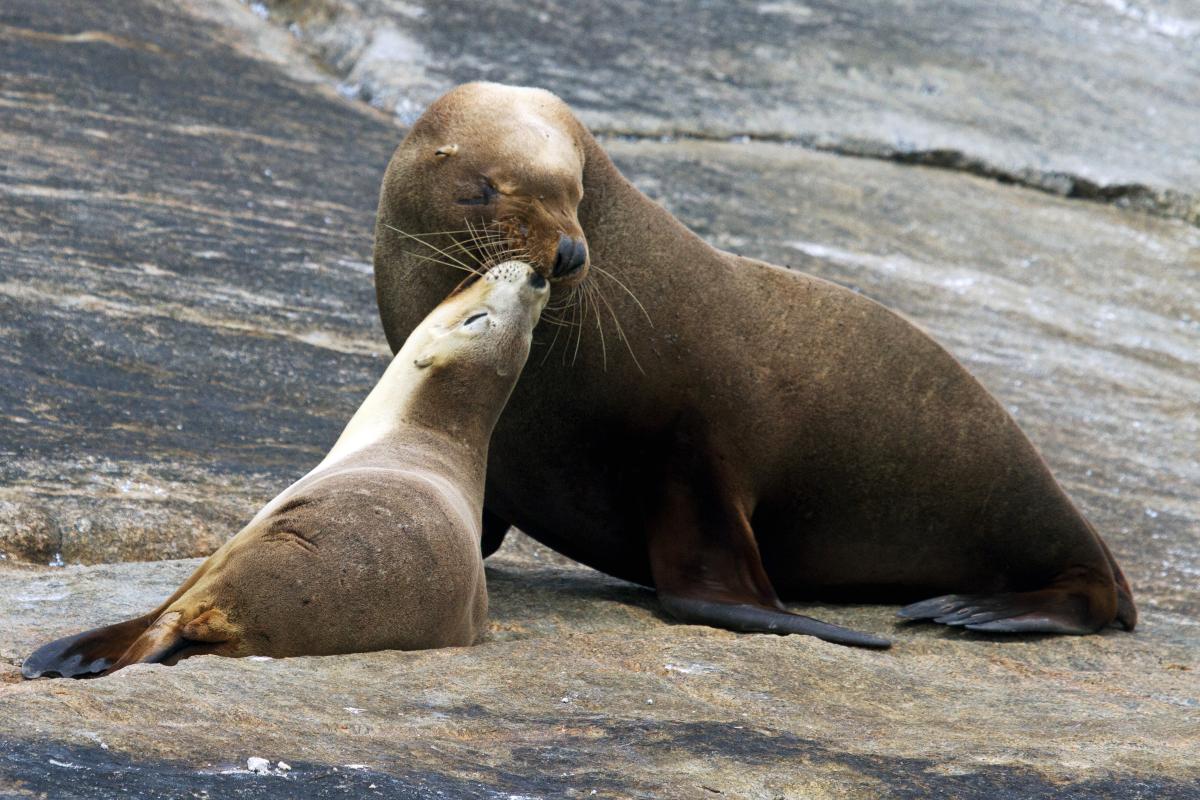
Along the coast, watch mamang (whales) breach, seals and sea lions rest and seabird's dive. Watch for kwilenas (dolphins), sea-eagles, osprey, toortbaalkaat (seals) and little penguins while enjoying coastal walks, surfing, kayaking, swimming, snorkelling or diving in quiet coves and estuaries. There are seven sanctuary (no take) zones but recreational fishing from the beach or boat is permitted in many areas. Know before you go, download the zoning maps (overview, east, west), read How do marine parks work and Zoning in Western Australian marine parks, and check DPIRD rules recreational fishing for rules on licences, size, bag and possession limits.
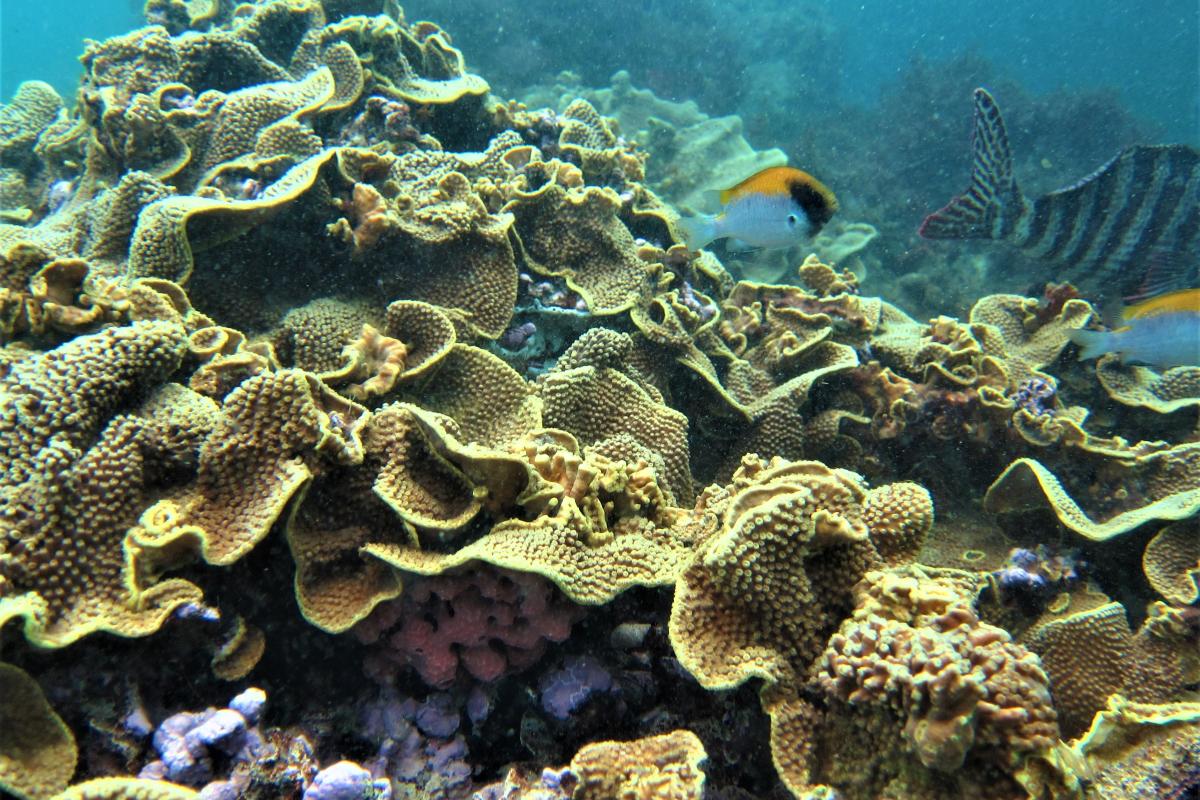
Albany, Bremer Bay, Hopetoun and Esperance have visitor centres, camping, tour and dive shops for remote travel and tour advice, and the right gear for exploring beaches, estuaries, campgrounds, fishing spots and dive sites. Local dive shops can guide you to good snorkelling and diving areas, including places to spot leafy and weedy sea dragons. Near Bremer Bay there are beautiful yellow scroll coral gardens (Turbinaria reniformis), and offshore from Point Ann lies one of the park’s largest coral areas.
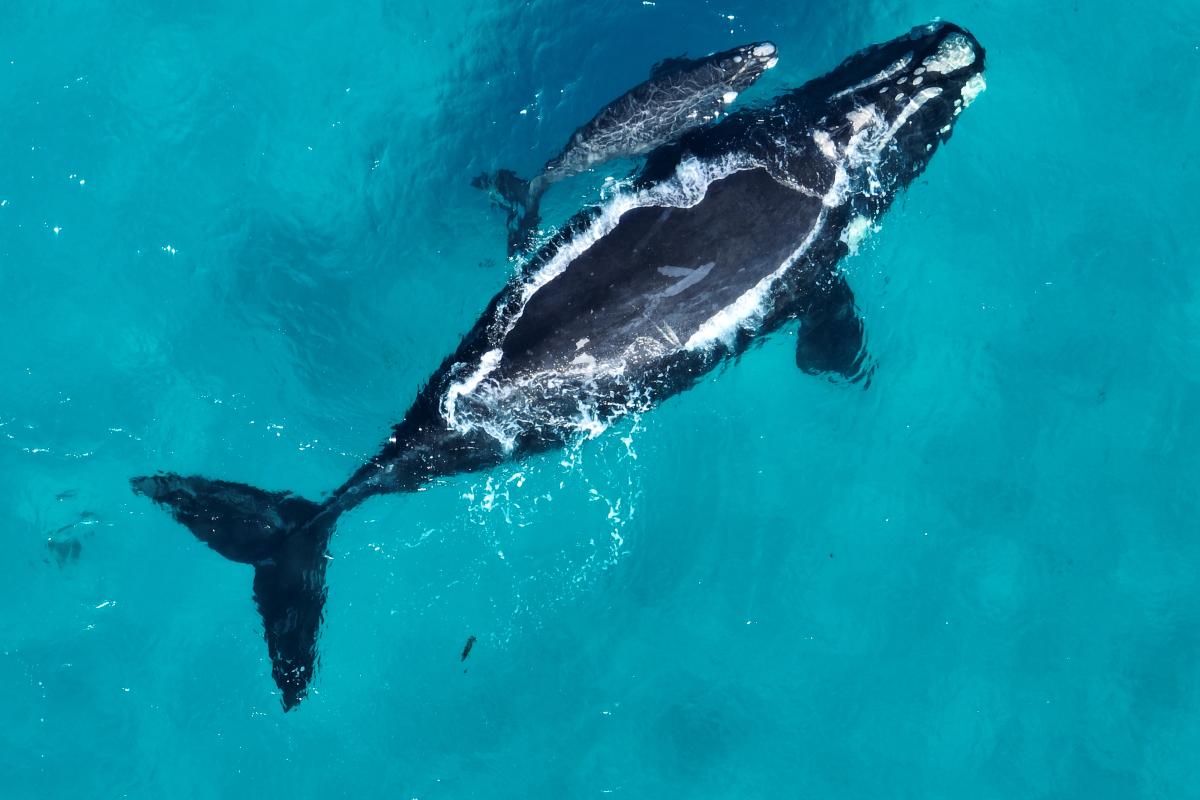
Visit the Point Ann whale watching platform in late winter and spring to see migrating humpback and endangered southern right whales. Southern right whales also calve and rest in sheltered waters, and pygmy blue whales can appear offshore in early summer. Hamerlsey Inlet and nearby coastal areas are great spots for camping, kayaking, whale watching, secluded beaches and fishing.
Join local communities in respectful activities and appreciation of natural places, wildlife, plants and Noongar culture in Maambakoort Boodja (Sea Country). Tread softly; respect the ancient footprints of our ancestors.
Safety information
Plan when to visit. Read this safety information about swimming, surfing, fishing, paddling, kayaking, snorkelling and diving. Consider travelling with a personal location beacon (PLB). In the event you need to be rescued it could save your life!
- Coastal and cliff risks are significant along this remote coast.
- Travelling in remote locations - be well prepared and self-sufficient. Carry camping gear, fuel, water, non-perishable food, first aid and tool kits, spare tyres and parts, recovery gear and two-way communication.
- Be aware that beaches are notoriously treacherous for vehicles in wet conditions and it is easy to become bogged when the seaweed has built up and the sand is wet and soft. Beware of being trapped by rising tides. Tide predictions can be found at Bureau of Meteorology.
- Mobile reception is not available in most remote areas. Consider taking a PLB or satellite phone.
- Travel plans should be left with trusted contacts such as family or friends.
- Know before you go and read safety information on coastal conditions and natural hazards.
- Shark safety and information can be found at SharkSmart.
- Look out for BEN signs along the coast. Use these signs to guide emergency services to a specific location with the Beach Emergency Number on the signs.
- Download the free Emergency + app before your visit which can be used in the event of any emergency to call for assistance. If there is no mobile phone coverage you WILL NOT be able to call 000 but the app will provide you with GPS location details.
Gallery
Commonwealth waters
Beyond the park, the Commonwealth-managed Bremer Marine Park has deep, nutrient-rich ocean canyons supporting orcas and dolphins, and blue, sperm, humpback, Bryde’s, minke, pilot and beaked whales, and an array of pelagic birds and fish. Tours depart from Bremer Bay between December to March and offer opportunities to see wildlife and meet researchers.
Protect WA's parks from dieback
Phytophthora dieback is a devastating plant disease that is killing our native plants and destroying wildlife habitats in the south-west. The water mould that causes this disease is easily spread in mud or soil that adheres to vehicles, footwear and camping equipment. To help prevent the spread of this disease:
- Always maintain a clean vehicle, especially the tyres, wheels and undercarriage, before entering and after leaving parks.
- Clean footwear at the start and finish of any walks you do and stay on the trails.
- Avoid driving or walking in wet, muddy conditions and observe road closures.
Facilities
No toilets at this location. Follow Leave No Trace principles.
Activities
Bird watching

Boating

Boat ramps at Bremer Bay and Hopetoun suitable for large boat launching.
Canoeing and kayaking

Fishing

Kite boarding

Nature photography

Scenic flights

Scuba diving

Snorkelling

Surfing

Plants, wildlife and fungi
Humpbacks and southern right whales can be seen from June – August from the coast. Salmon run along the coast in March - April.
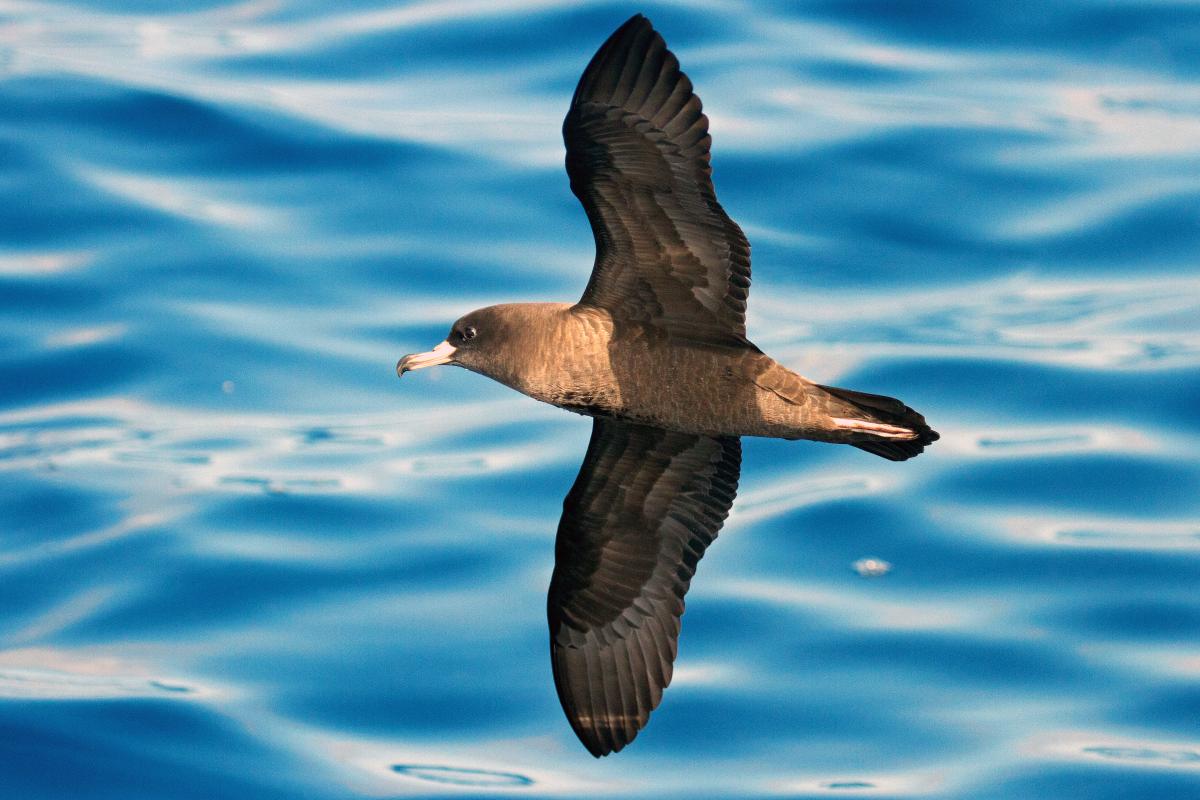
Further out to sea near the Bremer Canyon, orcas and other whales, dolphins and occasionally ocean sunfish and sharks may be seen December to April. During the same period look for common pelagic seabirds like albatross (Wandering, Indian Yellow-nosed, Black-browed, Shy), Great-winged petrel, shearwaters (Hutton’s, Little, Short-tailed) storm-petrels (White-faced, Wilson’s) less common and migrating pelagic seabirds are sometimes seen December through January.
Large seagrass meadows, macroalgae assemblages and coral reef are found in the marine park which is part of Australia’s Great Southern Reef.
Discover fun facts about Western Australia's marine plants and animals and what makes them so special.
Visit the Atlas of Living Australia for a list of species recorded in Mamang Maambakoort Marine Park.
Traditional Owners
Welcoming you to Mamang Maabmakoort Marine Park
Kaya Nyoondooka Wandju nicha Goreng Boodja wer Maambakoort
Hello and welcome here to Goreng Land and Sea Country in the Wagyl Kaip Southern Noongar region.
Ngalak Kaaditj moortung Koora, Yeyi, Benang
We acknowledge families of long ago, today and tomorrow, and acknowledge our visitorstoday.
Nicha Boodja, maambakoort, Mamang, Toort-baal kaat Kooradaminy
This land, ocean, our place of the whale and seal dreaming.
Nicha demanga, nyin ngorbarak
Waangelaniny maambakoort, Toort baal kat, Ngari, mamang
This place, the old people sit on the beach and sing to the ocean, singing to the seal, salmon, whale.
This is to calm the sea, bring in sea food, and most importantly letting Father Ocean and Mother Earth know our people are here.
Demanga wirrn, nidjak yeyi
The spirits of our Elders are still here today.
We, the Noongar people, are the Traditional Owners of South West Western Australia, and have been since before time immemorial. As the First People of South West Western Australia, we continue to practise the laws and customs of our culture. Through our culture, the Noongar people of the Wagyl Kaip Southern Noongar region continue to hold rights, responsibilities and obligations in relation to our people, traditional lands and waters that have never been ceded or extinguished. Australia is a signatory to the United Nations Declaration of Rights of Indigenous People (2009).
Tread softly; respect the ancient footprints of our ancestors.
